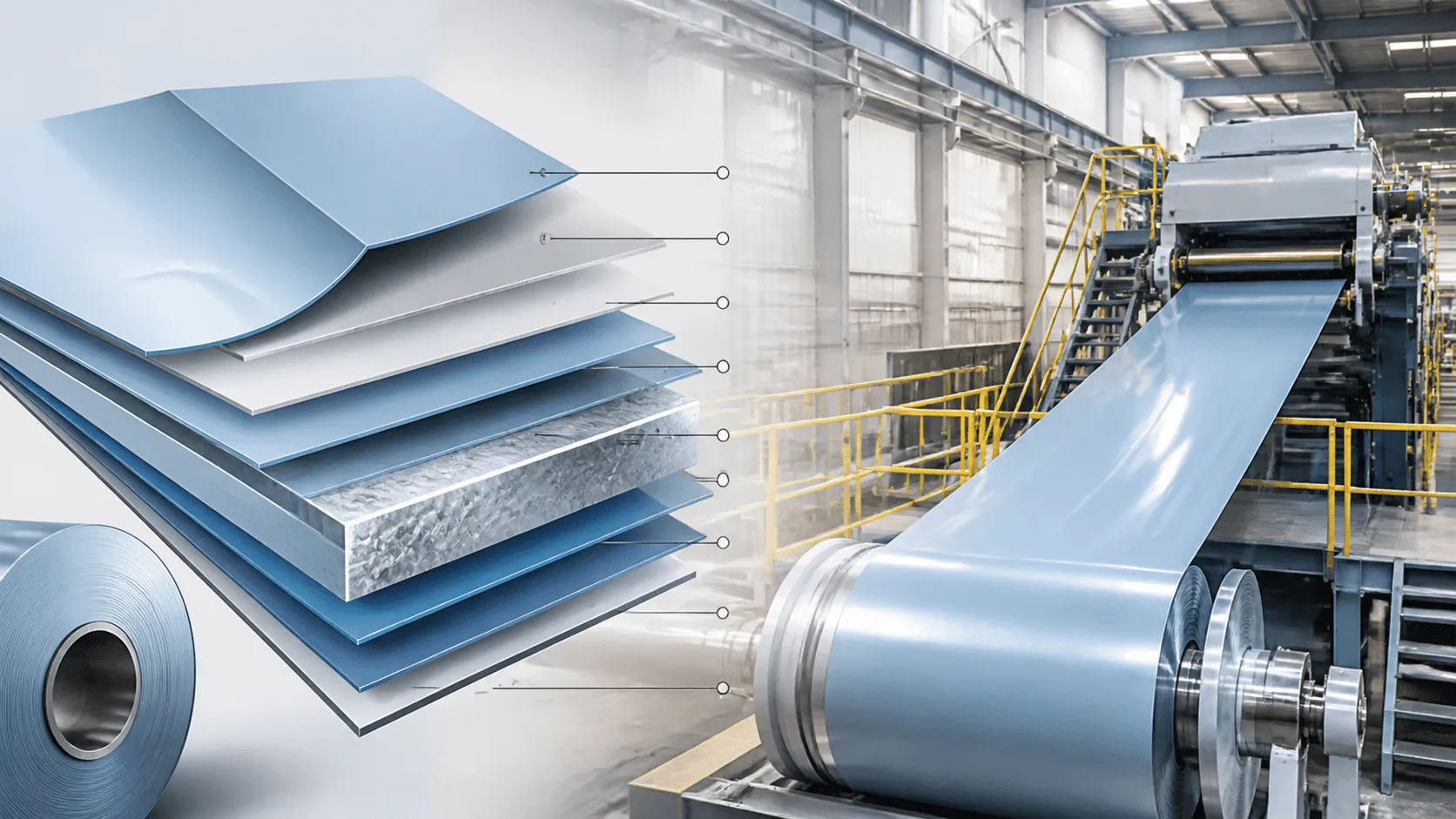
Introduction: Building the Future of Roofing in Uttar Pradesh
You know that sinking feeling when the roofing truck was due Monday and it's now Thursday? If you build in Kanpur or anywhere in Uttar Pradesh, you've probably lived it.
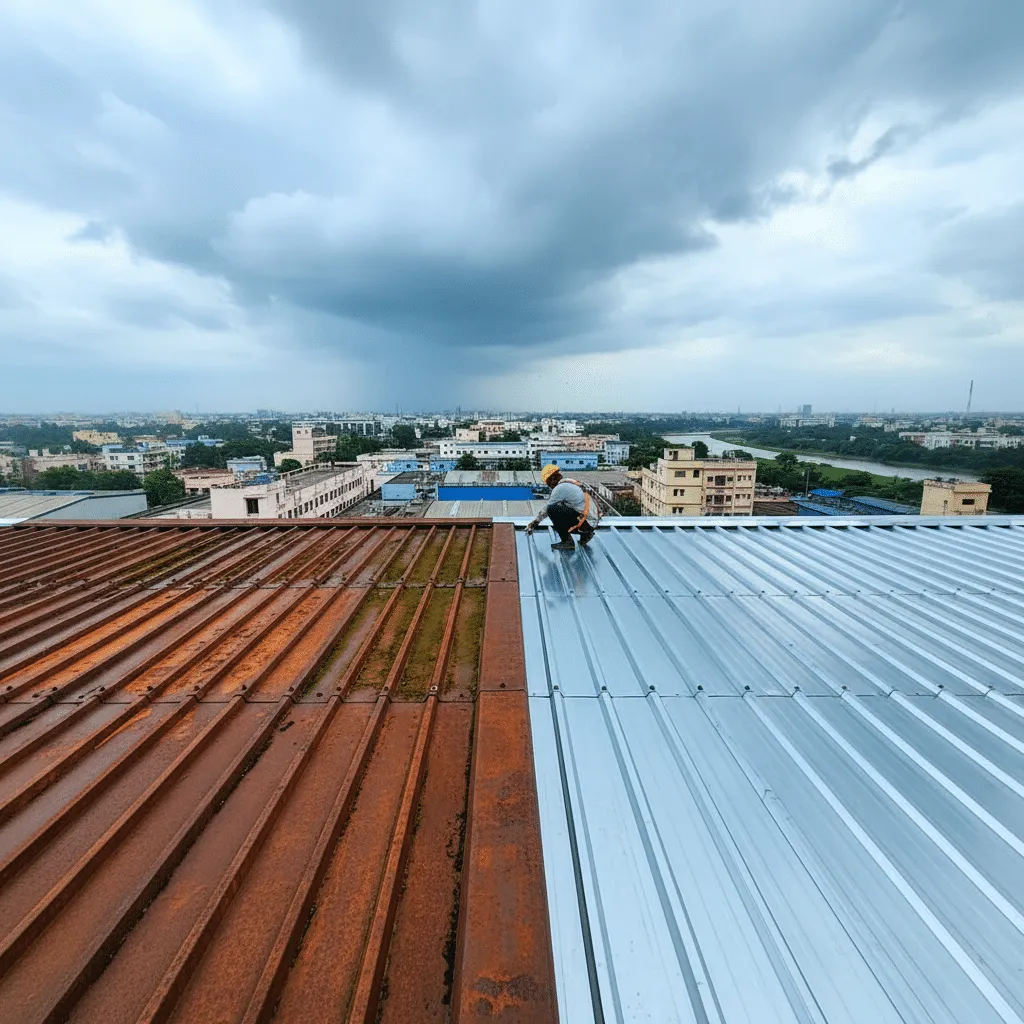
The roof has a tough job here. Summer heat bakes it, then the monsoon hammers it for weeks. Leaks at screws and overlaps, rust, and heat buildup keep showing up as the usual troublemakers on industrial roofs in India, as this roofing guide for factories points out. Add uneven quality from different suppliers and late deliveries, and finding durable, weather-proof, cost-effective roofing turns into a headache.
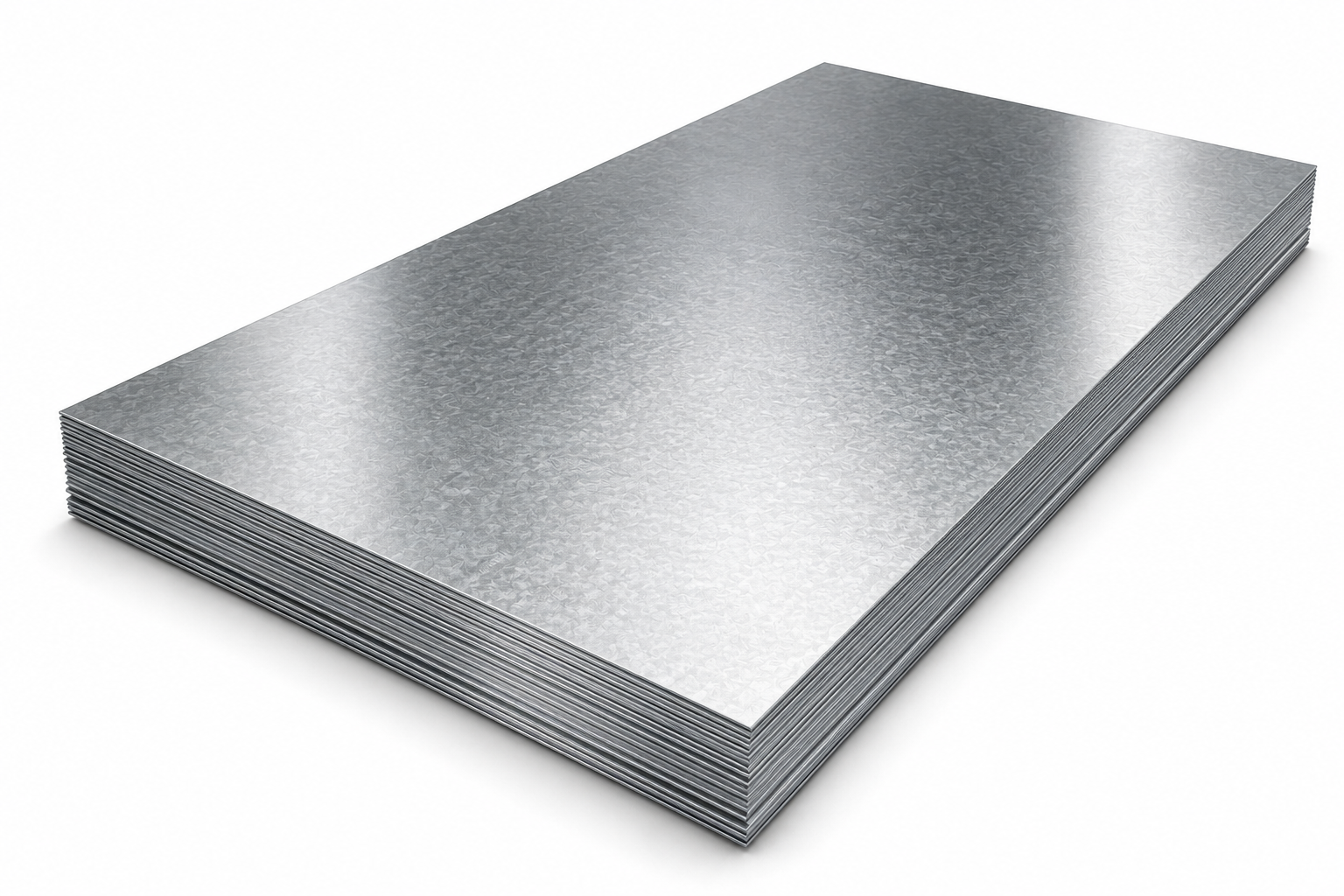
Old favourites like asbestos or plain galvanized sheets don't help much. They crack, rust, or need constant patching. (Been there, paid for that.)
That's why more builders are switching. Colour coated roofing sheets, also called pre-painted galvanized steel roofing, are made for exactly these problems. Folks aren't just noticing either. India's metal roofing market is expected to grow about 7.8% a year through 2035, driven by warehouses, factories, and commercial builds.
Here's the catch, though. The sheet only performs as well as the people who make it. Coating thickness, steel grade, and honest paperwork all matter. So the real win comes from working with a trusted colour coated roofing sheet manufacturer in Kanpur who backs up quality and delivers on time. Companies like RSG Profile Sheets are part of that local picture.
Let's look at what these sheets actually are, and why they're worth your attention.
What Exactly Are Colour Coated Roofing Sheets? A Look at the Technology
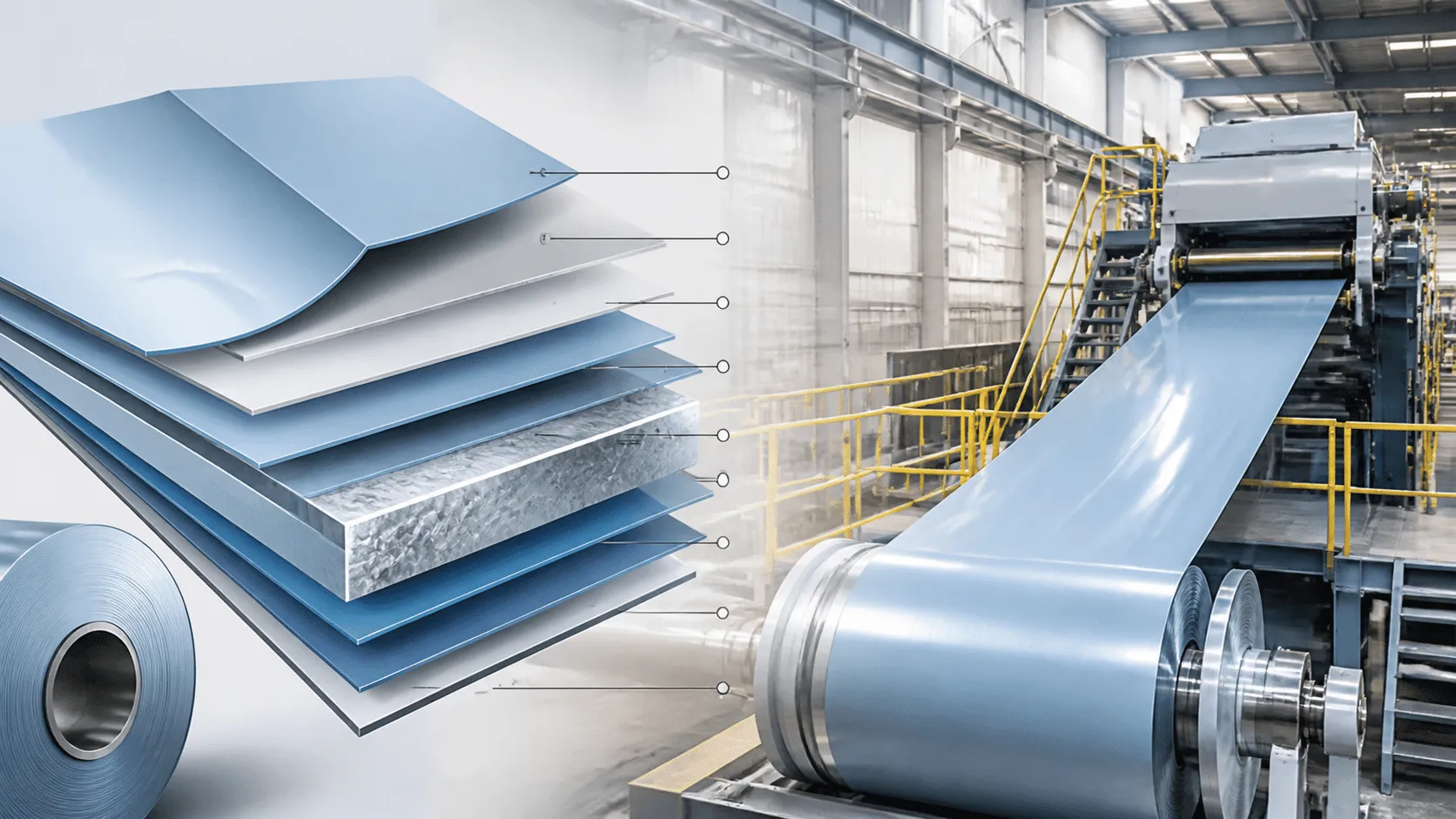
A colour coated sheet looks like simple painted metal. It isn't. Think of it more like a layered sandwich, where every layer has a job, and if one is skimped on, the whole thing suffers.
The Layers Inside One Sheet
Here's what sits inside a good sheet, from the middle outward:
Layer | What it does | Typical detail |
|---|---|---|
Base steel | Gives the sheet strength and shape | About 0.30 to 0.80 mm thick |
Metallic coating | Fights rust | Zinc (PPGI) or Alu-Zinc (PPGL) |
Primer | Helps paint stick | Around 5 microns per side |
Top paint coat | Gives colour and UV protection | Often 18 to 22 microns |
Back coat | Protects the underside | Roughly 5 to 8 microns |
For most Kanpur projects, 0.45 to 0.60 mm steel is a common pick. Thicker isn't always better, though. The right spec depends on your purlin spacing and load.
PPGL vs PPGI: Which One Fits Kanpur?
You'll see two names all the time. PPGI means pre-painted galvanized iron. The steel wears a zinc coat under the paint. PPGL means pre-painted galvalume. Its coat is an aluminium-zinc mix, and JSW describes PPGL as using a 55% aluminium-zinc alloy for corrosion protection.
Why does that matter here? Monsoon water sits at laps and screw holes for days. Aluminium-zinc tends to hold up better over the long haul in that kind of damp, hot weather. PPGI still works fine for lighter jobs and tighter budgets. But for factories and warehouses, PPGL is usually the safer bet.
How the Sheet Gets Made
The magic word is coil coating. A long steel coil is cleaned, treated, primed and painted in one continuous line, then baked under controlled heat. Only after that does it get rolled into a profile. The Bureau of Indian Standards describes this continuous pre-painting in IS 14246, which covers pre-painted galvanized sheets.
Compare that with painting sheets by hand after they're formed. Dust, damp and a tired worker at 4pm all leave marks. Factory lines don't have those problems. Primer and paint go on evenly, and a manufacturer specification shows primer applied at about 5 microns per side.
So ask for the test certificate. A good maker, like RSG Profile Sheets, should be able to show steel grade, coating mass and paint thickness in writing.
Now that we know what's inside the sheet, let's see what it actually does for your building.
Advantage 1: Unmatched Durability and Longevity for Maximum ROI
Ask a site engineer what a roof costs and you'll hear the sheet price. That's the wrong number. The real cost shows up in year six, or year nine, when someone's on a ladder with a bucket of sealant.
Durability is where colour coated sheets earn their money.
Two Coatings Working as a Team
A good sheet has a metal layer (zinc or aluminium-zinc) under a baked-on paint film. They cover for each other. The paint keeps sun and rain off the metal. If a scratch does get through, the zinc-based coat still fights rust around it. Plain GI sheets only have the zinc, so once it wears thin, rust moves in fast.
That's the pain point with older materials, and it's why so many Kanpur roofs look tired after a few monsoons.
How long can a well-made sheet last? One metal roofing guide for India puts colour-coated Galvalume systems at roughly 25 to 40 years. That depends on coating quality, installation and upkeep, so treat it as a range, not a promise.
Tough Steel, Tougher Finish
The steel underneath is high-tensile. It holds its shape when wind pulls at it, when workers walk across it, or when a branch lands on it. Asbestos cement cracks if someone steps wrong. A pre-painted steel sheet will dent before it shatters.
Because the paint is factory-baked before the sheet is rolled, it also resists chipping, cracking and peeling better than a coat brushed on later. Cut edges and drilled holes are still the weak spots, though. Touch them up, and use the right screws with proper washers.
What Ten Years Can Look Like
These are rough, practical ranges for a semi-industrial site, not lab results:
Roofing type | Typical service life | Common signs at year 10 | Upkeep |
|---|---|---|---|
Quality PPGL (colour coated) | About 20 to 30 years | Slight fading, edges need a check | Wash and inspect screws yearly |
Standard GI sheet | About 10 to 20 years | Rust spots at laps and screws | Repainting and patching |
Asbestos cement | About 15 to 25 years | Cracks, moss, water stains | Repairs, tricky replacement |
So at year 10, one roof needs a wash. The others often need money.
Lower Total Cost of Ownership
Here's the ROI part. A 2026 Indian roofing guide calls metal roofing low maintenance, with recoating typically every 5 to 7 years depending on exposure. Warranties help too. Jindal lists a 15-year warranty on Neucolor+, though warranty terms vary, so read the exclusions.
I can't give you a fixed rupee saving per square foot. Nobody honest can. But you can work out your own: repainting, leak repairs, screw replacement, labour and shutdown days. Add it up over 15 years, then compare.
A maker like RSG Profile Sheets can quote steel grade and coating in writing, which makes that maths much easier. Next, let's see how these sheets handle Kanpur's heat and monsoon.
Advantage 2: Superior Weather Resistance Tailored for the Indian Climate
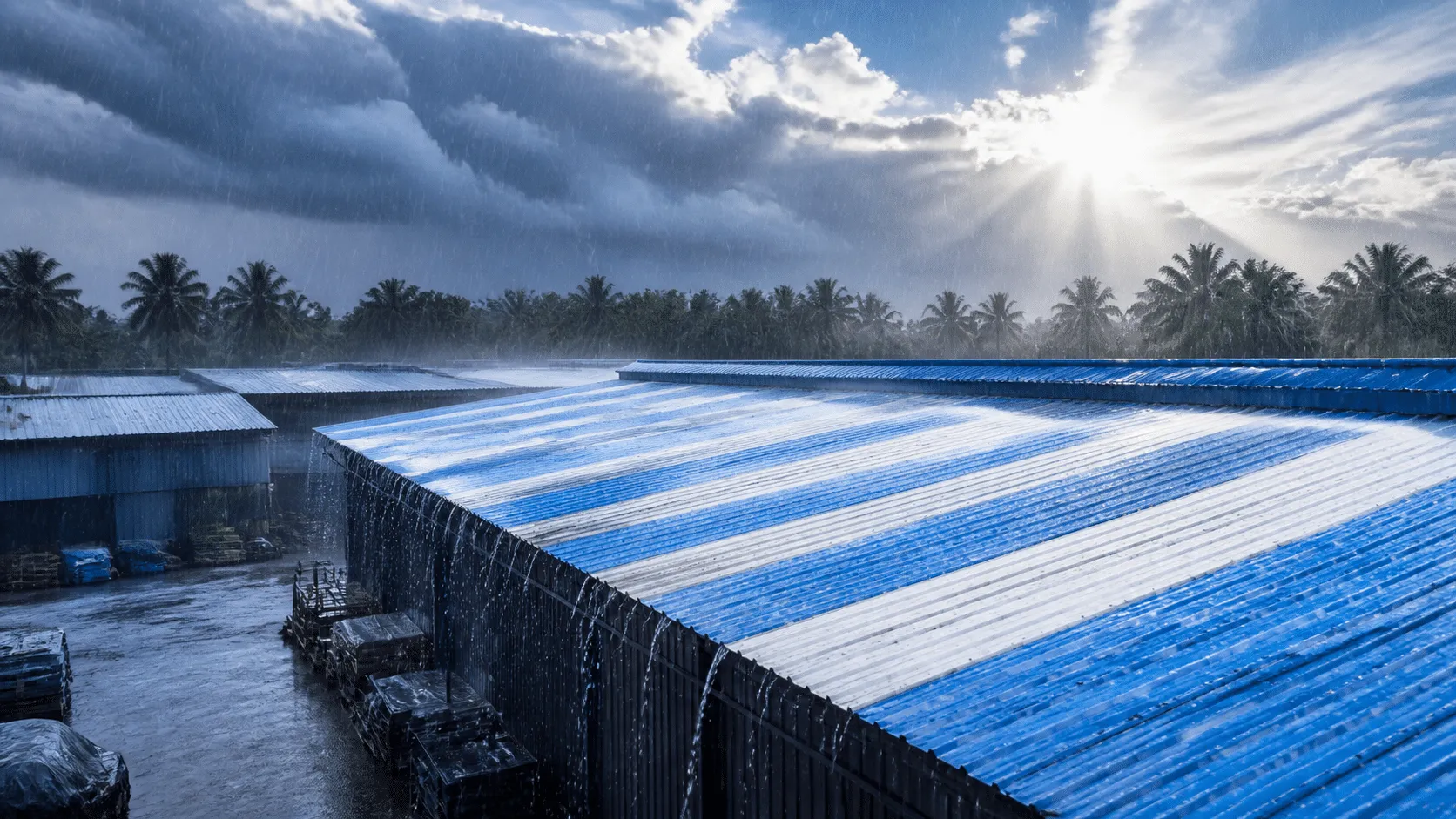
Kanpur in June feels like standing behind a hair dryer. Then July arrives and the sky opens up for weeks. A roof here gets cooked, then soaked, then cooked again.
That's the weather cycle colour coated sheets are built for.
Monsoon Rain and Summer Sun
Start with water. Long, factory-formed sheets mean fewer joints than tiles or small lapped pieces. Fewer joints means fewer places for rain to sneak in. Add proper side laps, sealant, good washers and a decent roof slope, and water runs off quickly instead of sitting around.
I won't call any roof "leak-proof" though. Nobody honest should. Most leaks start at screws, laps and wall junctions, so good installation matters as much as the sheet itself.
Sun is the other enemy. The baked-on paint film is made to resist UV, so colours hold better than a coat brushed on later. Fading can still happen over the years, but slowly, not after two summers.
Cooler Buildings, Lower Bills
Here's the part that surprises people. Colour changes how hot your building gets. Light colours reflect more sunlight, and that's what the Solar Reflectance Index (SRI) measures. A higher SRI means less heat gets pushed inside.
Roof colour | Sunlight reflected | Heat passed indoors | Best fit |
|---|---|---|---|
Off-white | High | Lower | Warehouses, cold storage, factories |
Sky or light blue | Fairly high | Lower | Industrial sheds |
Graphite grey or dark green | Lower | Higher | Accent bands, fascia, walls |
How much cooler are we talking? An RMI India Foundation review says cool roofs generally lower indoor temperatures by 2 to 4°C. NRDC compiled studies showing 2 to 5°C. Results depend on ventilation and insulation too, so expect the lower end without them.
Even 2°C can mean less fan and AC load in a big warehouse. Ask your supplier for the SRI value on the datasheet. If they can't give one, that's a hint.
Standing Up to Wind
Storms in UP can be rough, and wind tries to lift roofs from the edges and corners. Trapezoidal profiles help because their deep ribs stiffen the sheet. But the fixings do the real holding. Screw type, spacing and purlin gaps all count.
Indian design uses IS 875 (Part 3) for wind loads, and a tin shed design guide shows the basic pressure formula. There's no single wind rating for every sheet, so ask for a load and span table for your exact profile. RSG Profile Sheets makes trapezoidal profiles, and that's the kind of paperwork worth requesting.
Weather is only half the story, though. Next, let's talk about how these sheets look.
Advantage 3: Enhanced Aesthetic Appeal and Design Flexibility
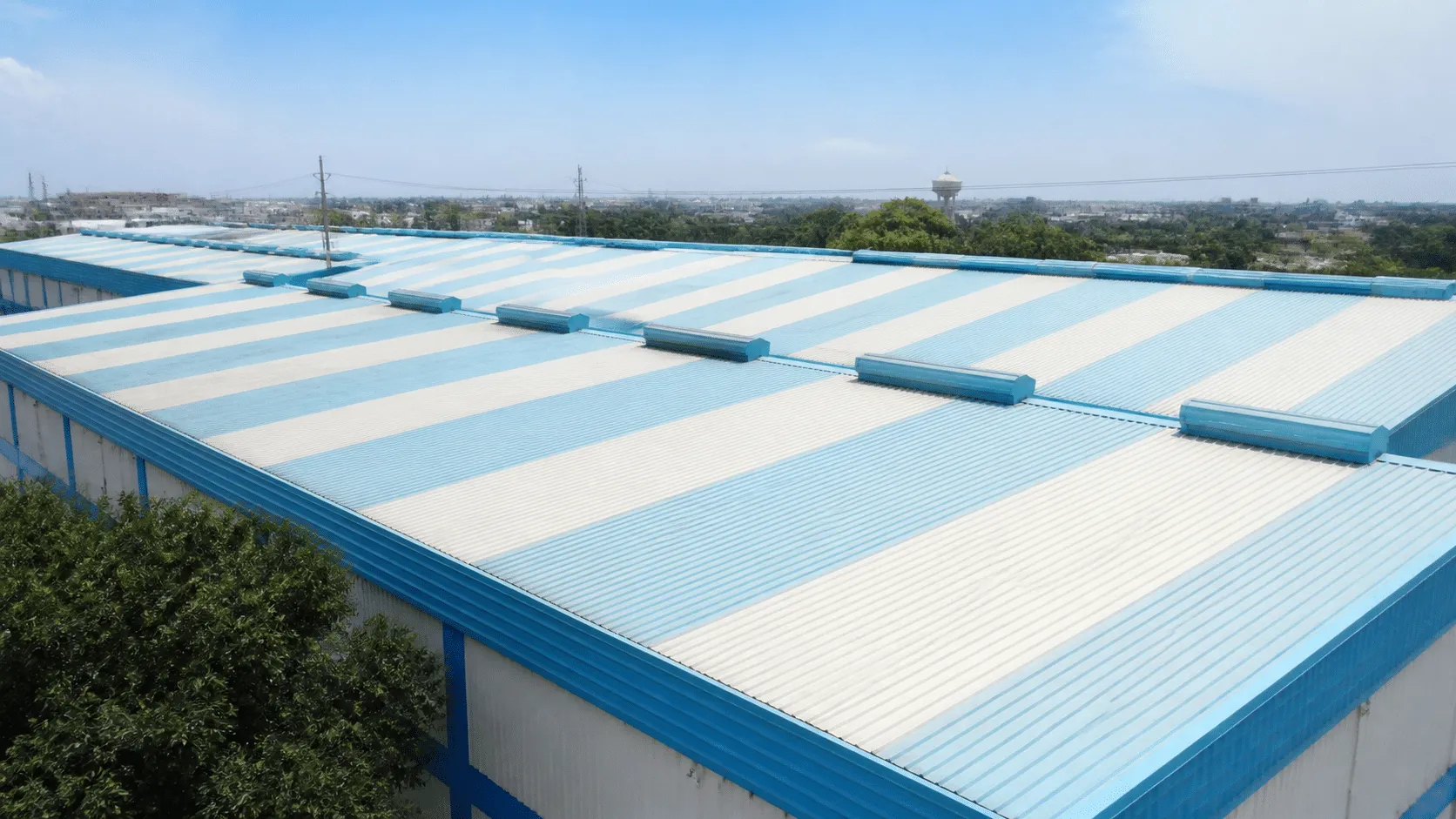
Nobody brags about a roof at dinner. But a tired, mismatched one? Clients notice that in about four seconds.
Here's the good news. Colour coated sheets don't have to look like a plain grey shed. They can look planned.
A Colour for Every Brand
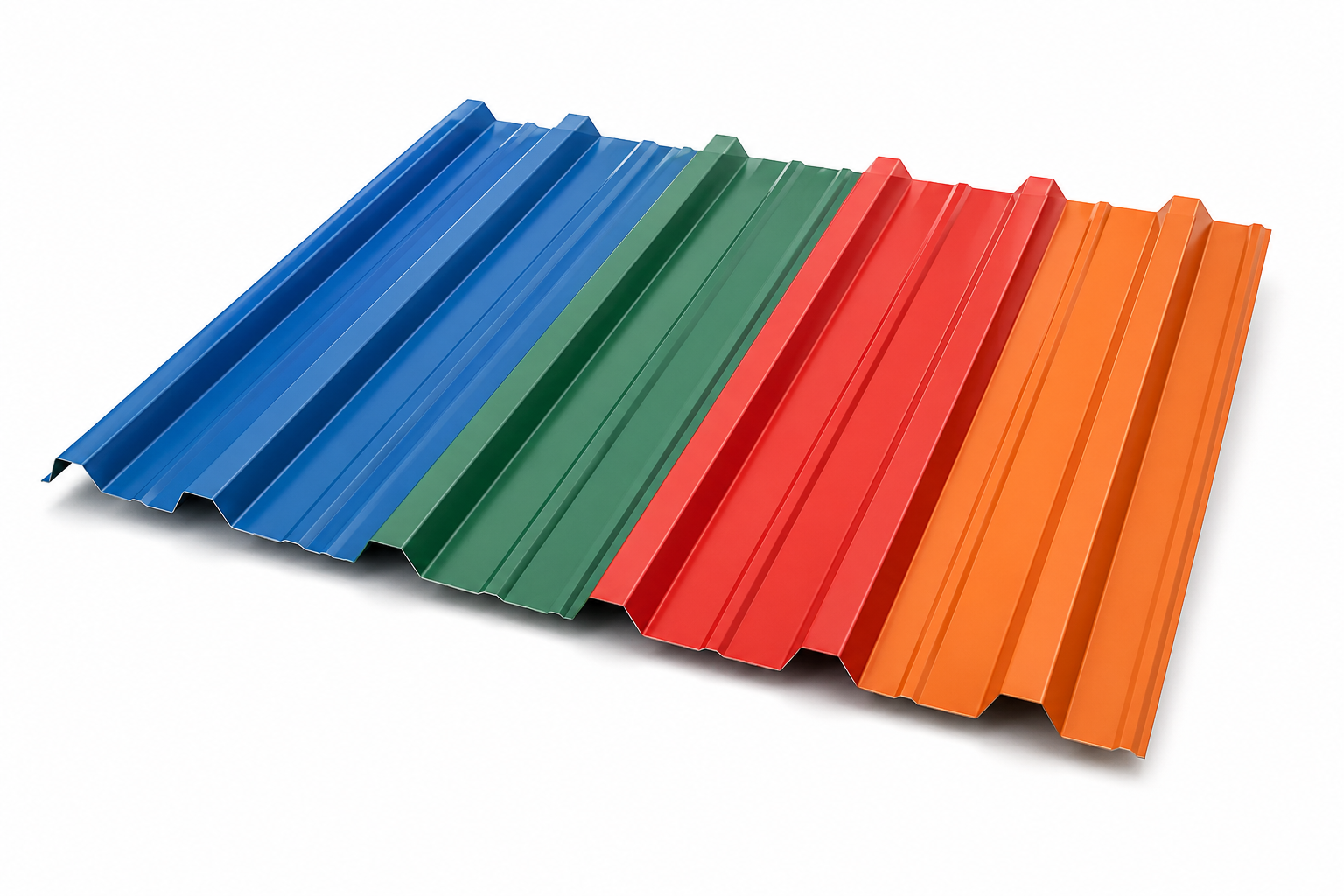
Most Indian catalogues now go well past basic blue and red. One 2025 roofing trends article says off-white and sky blue are popular for reflecting sunlight, while darker shades like graphite grey and passion red are picked for visual punch.
So you can match a company logo, or a school's colours, or just avoid that "we ran out of green" look. Colour still isn't the whole story for heat, though. Insulation and ventilation count too.
My own suggestion (not a market ranking): off-white or light blue on the main roof, then graphite grey, green or brick red on fascia, wall cladding and bands. It looks sharp and keeps the roof cooler.
Profiles That Change the Whole Look
Shape matters as much as colour. JSW's Colouron+ range lists double-trapezoidal, double-ribbed, single-ribbed and non-ribbed trapezoidal profiles, plus corrugated and Mangalore-tile styles. That's a lot of choice.
Profile | Look and feel | Good fit |
|---|---|---|
Trapezoidal | Bold, clean lines | Factories, warehouses, showrooms |
Corrugated | Classic wave pattern | Sheds, farm buildings, extensions |
Tile-effect | Traditional, lighter than clay | Homes, resorts, guest houses |
Narrow or standing-seam style | Sleek, modern | Offices, visible commercial fronts |
Same steel underneath. Very different curb appeal.
Goodbye, Take-It-or-Leave-It Suppliers
Ask any architect about their biggest roofing gripe. It's usually "the supplier only had two options." That limits creative freedom fast.
A manufacturer who offers several profiles, colours and lengths changes that. RSG Profile Sheets, for example, works with color-coated, PPGL and trapezoidal ranges, so builders can ask for sheets that fit a design instead of bending the design around the sheets. Ask for a physical colour sample first, since screens lie.
Want ideas? These project galleries show how colour and profile look on real buildings:
Maxroof project gallery: stadiums, plants and public buildings
Zinco industrial roofing gallery: sheds, warehouses and cladding
Looks are nice. But a roof also has to go up fast, and that's next.
Advantage 4: Lightweight and Easy Installation for Faster Project Completion
Picture a crane sitting idle at 11am because the roofing material isn't on site yet. Every hour of that costs you. Speed matters, and this is where colour coated sheets really pull ahead.
Light on the Structure, Light on the Budget
A 0.50 mm colour coated sheet weighs about 4.5 kg per square metre, according to one supplier. Clay tiles and concrete slabs are a different story.
Roofing system | Rough dead load |
|---|---|
Colour coated steel sheet (0.40 to 0.50 mm) | 4 to 7 kg/m² |
Clay tiles with battens | 40 to 70 kg/m² |
Concrete slab (100 to 150 mm) | 250 to 375 kg/m² (concrete alone) |
The tile and concrete numbers are engineering allowances, not brand quotes. Your structural engineer should check them for your site.
Still, look at the gap. On a 1,000 m² warehouse, swapping a 100 mm slab for steel sheet drops the roof cover from roughly 250 tonnes to 5 tonnes. Trusses, columns and foundations carry far less weight. That can mean less structural steel and lighter foundations.
Can I promise your purlins get cheaper? Not really. Wind uplift, spans and spacing often decide the design. So the saving is real but project specific, and only a proper calculation will tell you the rupee figure.
Easier to Move, Faster to Fix
Lightweight sheets are simple to carry, lift and stack. Long sheets mean fewer pieces to place and fewer laps to seal. Crews aren't waiting for concrete to cure or hauling heavy tiles up a ladder. It's mostly dry work with screws, which is much less fuss.
I couldn't find a verified project manager quote putting a number on time saved, so I won't invent one. Actual speed depends on roof shape, crane access, crew size and weather. But fewer, larger panels and no wet work generally mean a shorter roofing stage.
Why Timing Matters
A roof that goes on sooner lets interior work start sooner. Fitting, wiring and machinery installation can begin under cover, even in July. That trims the overall schedule, and it keeps clients happy.
The catch is delivery. Fast installation means little if sheets arrive late or in the wrong lengths. RSG Profile Sheets offers trapezoidal and colour coated ranges, and cut-to-length supply is worth asking any Kanpur supplier about.
Speed and strength are great. But you also need a maker you can trust, and that's what we'll sort out next.
How to Choose the Right Colour Coated Roofing Sheet Manufacturer in Kanpur

You've seen what a good sheet can do. Now comes the harder bit: finding a maker who actually delivers that sheet, every time. A glossy brochure won't tell you. A few pointed questions will.
Here's how I'd vet a colour coated roofing sheet manufacturer in Kanpur if I were the one signing the purchase order.
Check the Paper Trail and the Lab
Start with certificates. Ask for a copy of the ISO certificate and check that it's current and covers the plant you're buying from. But don't stop there. An ISO badge says a company has a system. It doesn't prove your batch of sheets is good.
So ask for the batch paperwork too. A solid maker should tell you the steel producer, the steel grade, the coating mass (like AZ70 or AZ150) and the paint system. Ask for coil numbers that match what's printed on the delivered sheets. One published JSW Colouron+ datasheet shows the level of detail to expect: thickness range, width, coating mass and the standards followed.
Then ask about the quality control lab. Do they measure paint thickness and coating mass in-house? Can you see the test reports? If the answer is a vague "yes, we check," that's your hint.
Ask Hard Questions About Stock and Delivery
Great sheets that arrive three weeks late are still a problem. Remember that idle crane?
Ask these three things:
Do you make the sheets yourselves, or buy from someone else?
How much stock do you hold, and in which lengths?
What's your usual lead time to my site, and who pays if sheets get damaged in transport?
A maker with in-house production and ready stock can promise dates and keep them. Also ask if they deliver beyond UP. RSG Profile Sheets, for example, focuses on Uttar Pradesh and nearby regions but supplies across India, which helps if your projects are spread out.
Look for a Partner, Not Just a Truck
Here's something people forget until it hurts. What happens on day 40, when a lap is leaking and nobody's calling you back?
Good technical support covers three jobs. Help choosing the right profile and thickness before you order. Guidance on fasteners, laps and slope during installation. And a real person who fixes problems afterwards. Ask who that person is, and whether you can meet them before you buy.
Also ask for the warranty in writing, with exclusions. The headline number matters less than the fine print.
Vetting Your Roofing Supplier: A 5-Point Checklist for Project Managers
Print this out and take it to your next supplier meeting.
# | Check | What to ask for | Red flag |
|---|---|---|---|
1 | Certifications | Valid ISO certificate, plus the IS standard on each test report | Certificate for a different plant, or none at all |
2 | Raw materials | Steel grade, mill origin, coating mass, paint system, coil number | "Standard quality" with no numbers |
3 | Quality lab | Sample test reports for paint and coating thickness | No in-house testing |
4 | Supply and logistics | Stock levels, lead time, delivery coverage, damage policy | Promises with no dates |
5 | Support and after-sales | Installation guidance, named contact, written warranty | Verbal warranty, slow replies |
Got your shortlist? Good. Let's wrap this up.
Conclusion: Invest in a Roofing Solution That Lasts
So, where does that leave you? Let's run through it one more time.
Colour coated sheets last longer, so you stop paying for patch jobs in year nine. They handle Kanpur's baking summers and heavy monsoons better than old GI or asbestos. They look planned, not thrown together. They go up fast, with a much lighter load on your structure. And when you add it all up over 15 years, that's the ROI story. Each one answers a headache you've probably already had on site.
But here's the thing. A great sheet from a shaky supplier is still a shaky roof. The real value comes from pairing a well-made product with a maker who understands Uttar Pradesh projects: the heat, the rain, the tight schedules. Ask for the paperwork. Check the coating. Get the warranty in writing. A local manufacturer like RSG Profile Sheets, based in Dada Nagar, Kanpur, is the kind of partner worth putting on your shortlist.
For your next project, partner with an expert colour coated roofing sheet manufacturer in Kanpur to make sure your structure is protected by the best. Contact us for a technical consultation and quote.